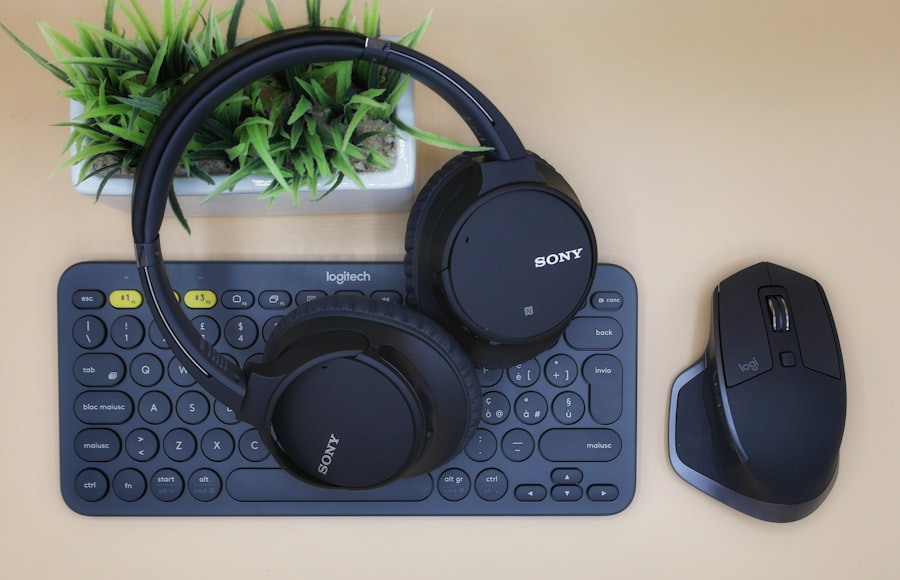

Refurbished electronics can be a genuinely smart way to save 20-40% on laptops, phones, and cameras. But the category also carries real quality-control variance depending entirely on who actually did the refurbishing, so it pays to know what to check before you buy.
Refurbished listings are usually graded — "Excellent," "Good," "Fair," that kind of scale — based on cosmetic condition and functionality. Read exactly what each grade means on that specific platform, because grading standards genuinely aren't universal across different sellers, and "Good" on one site can mean something quite different on another.
Manufacturer-certified refurbished programs, where the original brand handles the refurbishing and testing themselves, are generally more reliable than third-party sellers. They typically use original parts and run full diagnostics, which third-party refurbishers don't always do to the same standard.
A refurbished product with zero warranty is a meaningfully bigger risk than one backed by even three to six months of coverage. Always check this before comparing on price alone — a slightly pricier refurb with genuine warranty coverage is very often the smarter overall deal once you factor in the risk.
Battery health and minor functional issues aren't always obvious in the first hour of use, sometimes not even the first day. A 7-10 day return window gives you an honest chance to actually test the device properly before you're stuck with whatever you got.
Refurbished is a legitimate way to save real money, not a compromise you have to regret later — but only if you buy from a source with clear grading, some warranty coverage, and a genuine return window. Skip any listing missing all three.